
“Leaving the ambulance did not mean leaving that part of my life behind. It taught me how quickly health can change, how little time people sometimes have, and why it matters to tell the truth clearly. It also taught me to keep my cool under extremely stressful (and even hostile) circumstances, decisiveness, and the power of differential diagnosis.”
David Knight, DNP, FNP-C
I did not leave the ambulance because I stopped believing in emergency medicine. I left because, after years of meeting people in the middle of a crisis, I wanted the chance to reach them earlier.
Working as a paramedic taught me how to stay calm when nothing around me was calm. It taught me to make decisions with limited information, recognize what mattered most, and speak plainly when people were frightened. Those lessons still shape the way I practice, but the ambulance also showed me what illness looks like after it has been building for years and finally becomes impossible to ignore.
By the time someone calls an ambulance, the opportunity to change what led to that particular moment may have passed. Our job was to identify the immediate problem, stabilize the patient, and get that person to the hospital quickly. Sometimes the work was genuinely lifesaving, but we could not go back five or ten years and address the warning signs, missed opportunities, or gaps in care that may have contributed to the crisis.
That part of the job stayed with me. I began to think less about what we were doing during the emergency and more about what might have been happening before it.
We Were Arriving Late in the Process
The ambulance takes you into people’s lives on some of their worst days. You see heart attacks, strokes, serious injuries, respiratory failure, uncontrolled diabetes, medication complications, and diseases that have been progressing quietly for a long time.
Some emergencies are sudden and unavoidable. Others are the result of a much longer process. Over time, I saw how often we were treating the consequences of a problem rather than the factors that had contributed to it.
We could manage the immediate danger, but we could not rebuild lost strength, change years of poor nutrition, correct chronic sleep deprivation, or help someone understand a condition that had never been clearly explained. We were working at the far end of the problem, after many of the best opportunities to change its direction had passed.
That did not make emergency medicine seem less important to me. It made me understand how important the earlier stages of healthcare are.
From Paramedic to Nurse Practitioner
Becoming a registered nurse allowed me to follow patients further into the healthcare system. As an RN, I worked in the emergency room, intermediate care, intensive care, and outpatient surgery. Each setting taught me something different, but they all reinforced the same lesson: most serious health problems do not begin on the day a person enters the hospital.
A blood pressure that stays high year after year matters. So do rising blood sugar, loss of muscle and physical capacity, poor sleep, tobacco use, excessive alcohol use, and increasing body fat. None of those factors explains every illness, and not every serious condition can be prevented. I did, however, see too many people reach a crisis after years of warning signs that had been minimized, poorly explained, or treated without looking at the larger picture.
I have seen what advanced disease looks like in the ICU. I would rather help people avoid getting there when that is still possible.
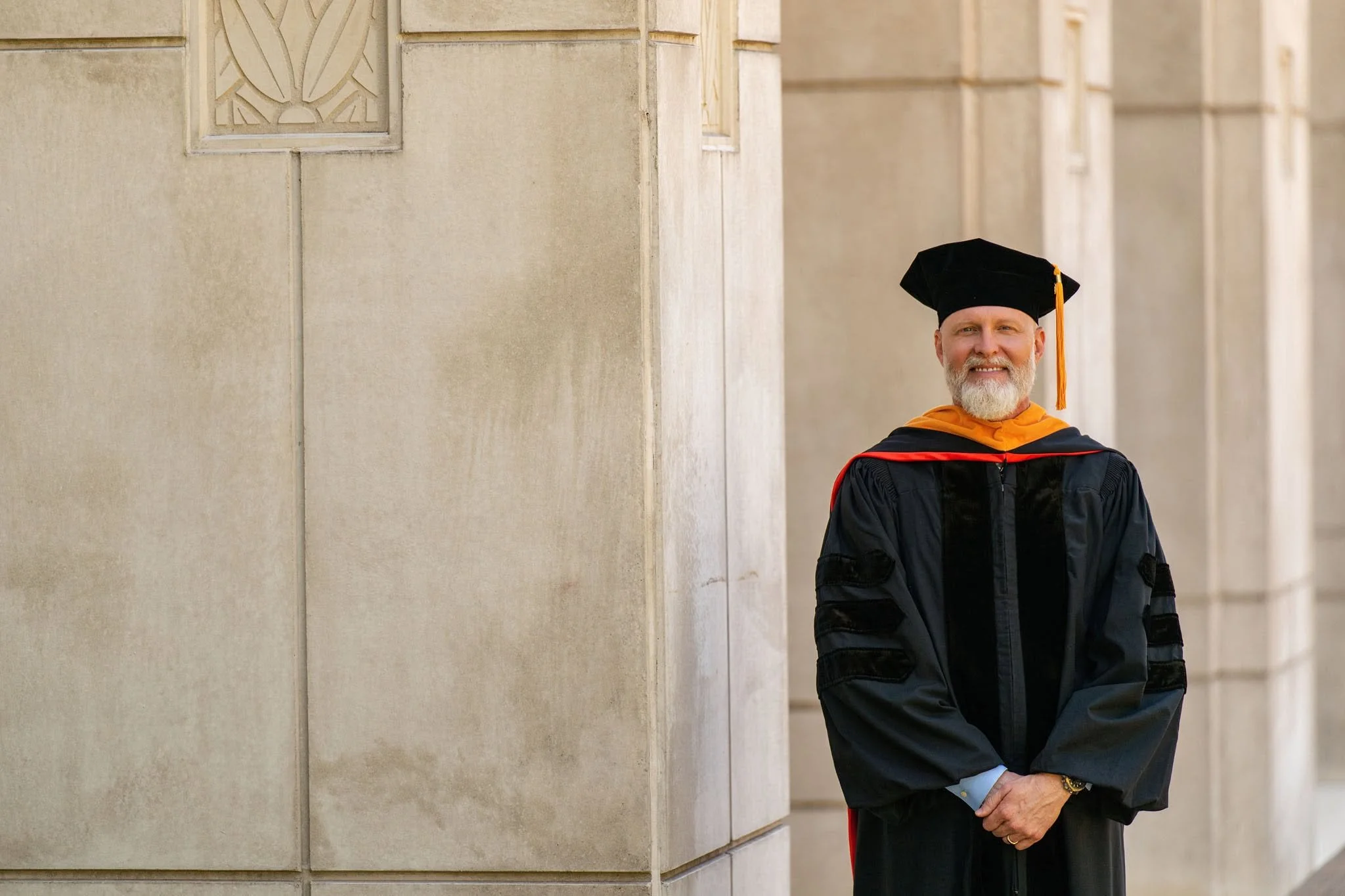
My path from paramedic to registered nurse, and eventually, family nurse practitioner was not a rejection of emergency medicine. It was a move earlier in the process, where I could spend more time understanding why a problem had developed and what could still be done about it.
Family practice allows me to look beyond the immediate complaint. I can review someone’s history, medications, laboratory results, symptoms, habits, and goals, then ask questions that are difficult to address in an emergency. Why is this happening? What may be contributing to it? Is the current treatment working? What can still be changed?
That is a different kind of work, and it is where I began to believe I could have a greater long-term impact.

Medication Has a Place, but It Should Have a Purpose
Modern medicine does many things extremely well. Medications, procedures, surgery, and specialist care can save lives and prevent serious complications. I am not opposed to any of those things when they are appropriate.
The problem begins when treatment becomes a process of adding one thing after another without continually asking whether each part of the plan is necessary, effective, and understood. A medication list should not simply grow over time because no one stops to review it.
When I say, “Zero pills is goal,” I am not telling people to reject medication or stop something that has been prescribed. I mean that every medication should have a clear reason behind it. A patient should know what it is supposed to do, how the benefit will be measured, what side effects are possible, and whether there is anything that could eventually reduce the need for it. I find that many people know none of these things.
For one person, success may mean avoiding medication. For another, it may mean needing one medication instead of four. For someone with an established disease, success may mean controlling it well enough to reduce the risk of hospitalization, disability, or an early death.
The goal is not to prove that medication is bad. The goal is to use it thoughtfully while continuing to work on the parts of health that can still be improved.
Patients Should Understand Their Own Care
One of the things that has bothered me throughout my career is how often patients do not understand their own treatment. They may bring in a medication list but cannot explain why they take each drug, what it is supposed to accomplish, or what side effects they should watch for. Some have taken the same medication for years without anyone revisiting whether it is still necessary.
Patients should understand why a medication, test, procedure, or treatment is being recommended. They should know the expected benefit, the known risks, the reasonable alternatives, and what may happen if they decide not to proceed. Those conversations should be part of ordinary healthcare, not something reserved for surgery or major procedures.
My job is to explain what I see, what I believe may be happening, what the evidence supports, and where uncertainty remains. I should give an honest professional recommendation, answer questions plainly, and respect the patient’s right to make an informed decision. That does not mean every option is equally safe or medically sound, nor does it mean I will tell someone what they want to hear when the facts point in another direction.
Informed consent is more than a signed form. It is an ongoing conversation, and it should be part of every meaningful healthcare decision.
Health Is Stewardship
Over time, I came to see health as stewardship. The body is not something most people can neglect for decades and then repair quickly when the consequences become inconvenient.
We also live in an environment that makes healthy choices harder than they should be. Highly processed food is easy to find, many jobs require people to sit most of the day, sleep is often treated as optional, and there is always someone selling a shortcut. None of that removes personal responsibility, but it does mean better health usually requires deliberate choices.
Health is affected by genetics, injury, environment, age, and circumstances. It is also shaped by repeated decisions about food, sleep, movement, alcohol, tobacco, medical care, and whether warning signs are addressed or ignored. Stewardship does not require perfection, nor does it mean pretending that every illness is a person’s fault. It means taking responsibility for what can be changed while being honest about what cannot.
It means using medical care when it is needed while still building strength, protecting sleep, improving food quality, maintaining mobility, and understanding what medications and supplements are meant to accomplish. It also means recognizing a problem while there is still time to change its direction.
Why Iron Life Health Exists
Iron Life Health grew out of what I learned in the ambulance, the emergency room, the ICU, surgery, and family practice. I have spent much of my career caring for people after something had already gone wrong. I want the next part of my work to include more opportunities to reach people earlier, explain what may be happening, and help them make informed decisions about what comes next.
This work is not a replacement for emergency medicine, primary care, or specialist care. I will be writing about nutrition, exercise, metabolic health, hormones, weight management, laboratory testing, medications, supplements, and the difference between a treatment that has a clear purpose and one that has been added to the list. I will share what I have seen in practice, what the evidence supports, and where uncertainty remains.
Leaving the ambulance did not mean leaving that part of my life behind. It taught me how quickly health can change, how little time people sometimes have, and why it matters to tell the truth clearly. It also taught me to keep my cool under extremely stressful and even hostile circumstances, decisiveness, and the power of differential diagnosis. Those lessons followed me through nursing, family practice, and doctoral education, and they still shape the way I think about healthcare.
I still want to help people before the worst day of their lives. I would rather reach them years before it arrives.
David Knight, DNP, FNP-C
Iron Life Health
Ferrum Vitae
The views and opinions expressed by David Knight, DNP, FNP-C, through Iron Life Health are his own and do not represent the views, policies, or positions of his employer, affiliated practices, colleagues, or any other organization with which he is associated. Content provided by Iron Life Health is for general educational and informational purposes only and does not establish a patient-provider relationship or replace individualized medical advice, diagnosis, or treatment.
